The Occasion
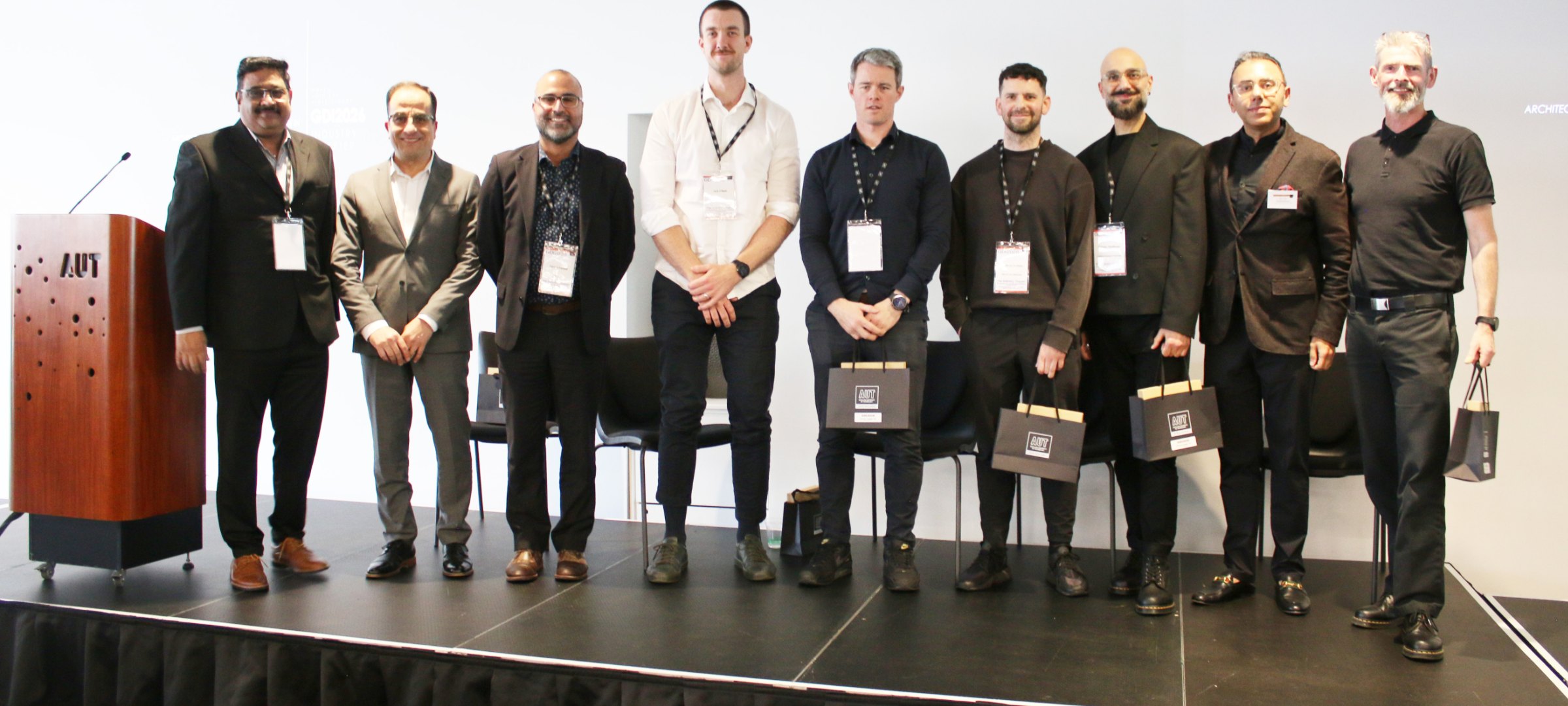
The 2026 edition of the International Conference of Green + Digital + Intelligent Built Environments was designed in two movements. The main academic conference meets online on 7 and 8 December 2026, open to authors worldwide and held in conjunction with DigiBUILT 2026. The Industry Chapter came first, on 11 September 2026, as a full day in person at the Sir Paul Reeves Building of AUT. Its programme ran across future skills and technologies, artificial intelligence, electrification, natural capital, mātauranga Māori, intergenerational development and the changing place of women in the built environment. Plenary talks came from the President of Te Kāhui Whaihanga New Zealand Institute of Architects, the Construction Clients’ Group, Schneider Electric and AUT, followed by panels on AI and innovation and on women in the built environment, and workshops on applied AI and open source AI for design practice. More than twenty speakers took part, and registration was complimentary so that practitioners who rarely attend academic meetings had every reason to come.
Opening and Closing the Day
Professor Ghaffarian opened proceedings at 9:30 with the chairs’ karakia, the formal welcome and an address that set the terms of the day. At 4:45 Prof Ghaffarian returned to the stage with his fellow chair, Professor Amirhosein Ghaffarianhoseini, to deliver the closing keynote. The two addresses carry different burdens. An opening keynote decides what an audience believes it has gathered to do; a closing keynote decides what the day is allowed to mean once the audience has gone home. Holding both is the prerogative of the person who designed the event, and it gave Prof Ghaffarian authorship of the frame within which every plenary, panel and workshop was read.
The frame was deliberate. Academic conferences tend to report what has already been studied, while an industry chapter tests what is about to be designed, procured, financed and built. The themes of the day were chosen because they are decisions the sector faces now. Prof Ghaffarian’s own account of the day, published on LinkedIn, recorded the outcome he had set out to produce: at its peak the room held more than 300 people, and industry and academia “were not speaking past one another.” For a university conference, that sentence is the measure of success, and it was secured by the chair’s design rather than by chance.
Architect of the Platform
GDI is Prof Ghaffarian’s creation. He founded the series in 2025 with Professor Amirhosein Ghaffarianhoseini, building on the international event series the two had begun with the first NZAAR gathering in 2016. The inaugural edition received more than 200 full papers in its first year, with Beca as primary partner and a five volume proceedings series with Springer Nature. Within twelve months the founder had extended the model again: a second edition that separates the industry conversation from the academic one, so that each can be held at its proper depth, and a third edition already committed to Kuala Lumpur in 2027 in collaboration with CIOB Malaysia.
The publishing arrangements show how the platform is anchored in scholarship. GDI 2026 works with Emerald Publishing through Smart and Sustainable Built Environment and Urbanization, Sustainability and Society, and with Taylor & Francis through Intelligent Buildings International. Prof Ghaffarian has served as Associate Editor of Urbanization, Sustainability and Society since 2022 and has guest edited special issues of Smart and Sustainable Built Environment, so the routes from the conference floor into the journal literature are ones he already holds editorial responsibility for. That continuity is what turns a well attended day into a durable contribution to the field.
The Research Behind the Agenda
The programme’s themes are not a list assembled for variety; they track the record of the person who convened it. Artificial intelligence sat at the centre of the day, and Prof Ghaffarian has been a member of the Artificial Intelligence Reference Group at the Office of the Prime Minister’s Chief Science Advisor since 2023, contributing the perspective of design, construction and the built environment to national thinking on AI. Natural capital connects to the most cited article of his career, the state of the art review of the environmental benefits of green roofs in Applied Energy, cited 1,304 times on Google Scholar. Digital delivery connects to his review of BIM uptake, cited 1,266 times, and to his seat as the sole academic advisor to the BIMinNZ National Committee.
Future skills were treated as a question of capability rather than headcount, a line of inquiry reflected in jointly authored work on a digital competency model for project managers in smart construction. The place of mātauranga Māori in design reflects a commitment Prof Ghaffarian carries institutionally as the School’s representative on Te Kāhui Rangahau o Te Rōpū Taki Māori, the research subcommittee of the Faculty’s Māori Staff Caucus. In each case the Industry Chapter asked practitioners to engage with questions on which its convenor has a published or institutional position, which is why the conversation could move beyond general enthusiasm to specific choices about practice.
Global Architecture, Local Futures
The day did not end with the closing keynote. It moved directly into the Aga Khan Award for Architecture exhibition and public conversation, Global Architecture, Local Futures, hosted by the School of Future Environments for the first time, with the Shia Imami Ismaili Council for Australia and New Zealand. The evening opened with a conversation with Farrokh Derakhshani, Director of the Award, and was attended by the High Commissioner for Pakistan to New Zealand. One programme therefore carried a single audience from the immediate questions that occupy New Zealand’s industry to one of the most demanding international benchmarks in architecture, and asked it to hold both in view.
For Prof Ghaffarian, Head of the School of Future Environments since January 2026, the sequence was a statement of institutional ambition. The partners tagged in his recap, among them Auckland Airport, Beca, Warren and Mahoney, Fisher & Paykel Appliances, Quanton and the NZIA, are the organisations whose regard shapes a school’s professional reputation. Prof Ghaffarian has contributed to QS and Times Higher Education ranking assessment since 2015, and understands that employer and academic reputation are built through exactly this kind of sustained engagement. In 2026 Architecture and Built Environment at AUT entered the QS World University Rankings by Subject for the first time, in the 201 to 260 band. The Industry Chapter is part of the work that keeps the School in that company.
Gallery, recordings and documents
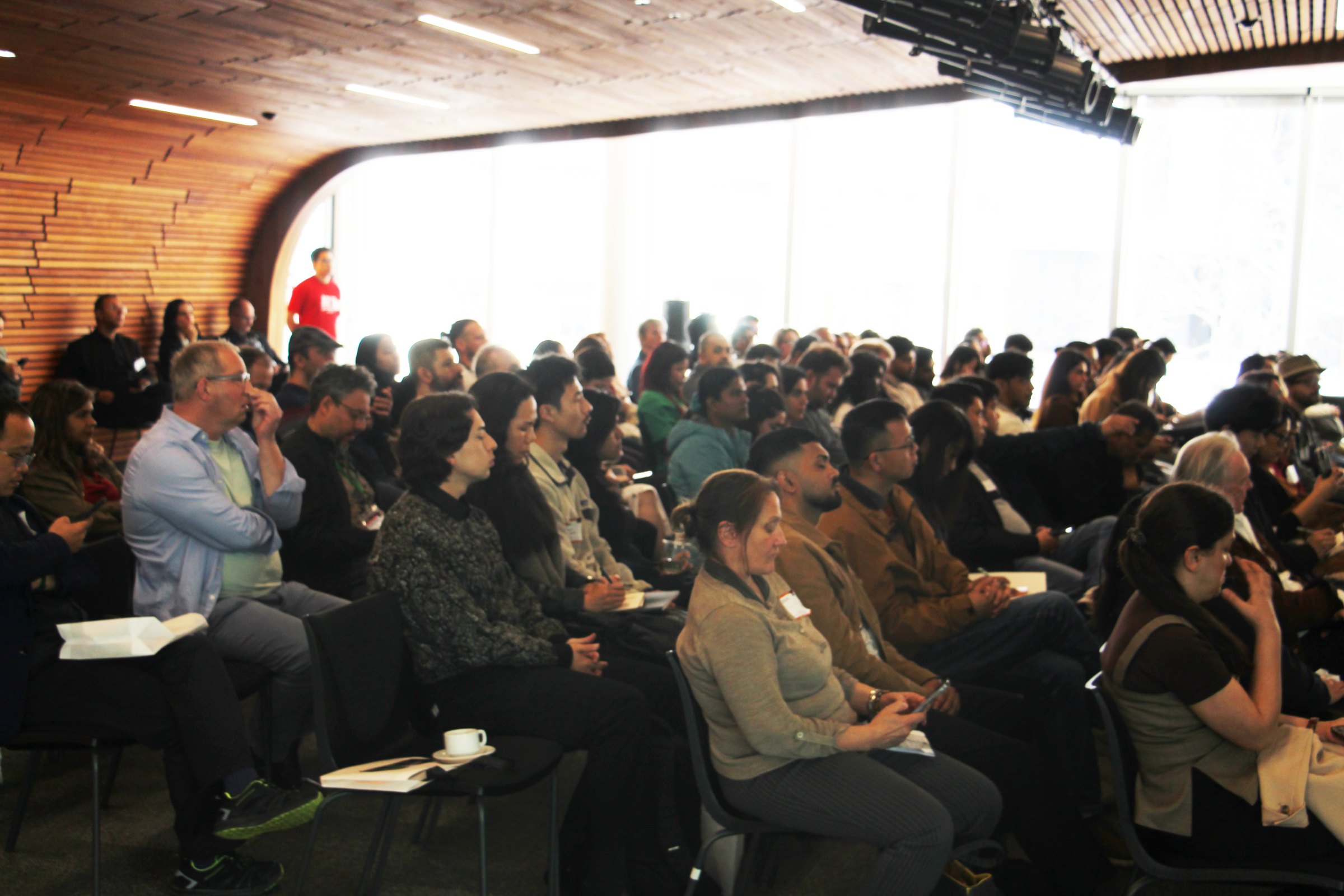 A full room at the GDI 2026 Industry Chapter, which drew more than 300 attendees at its peak
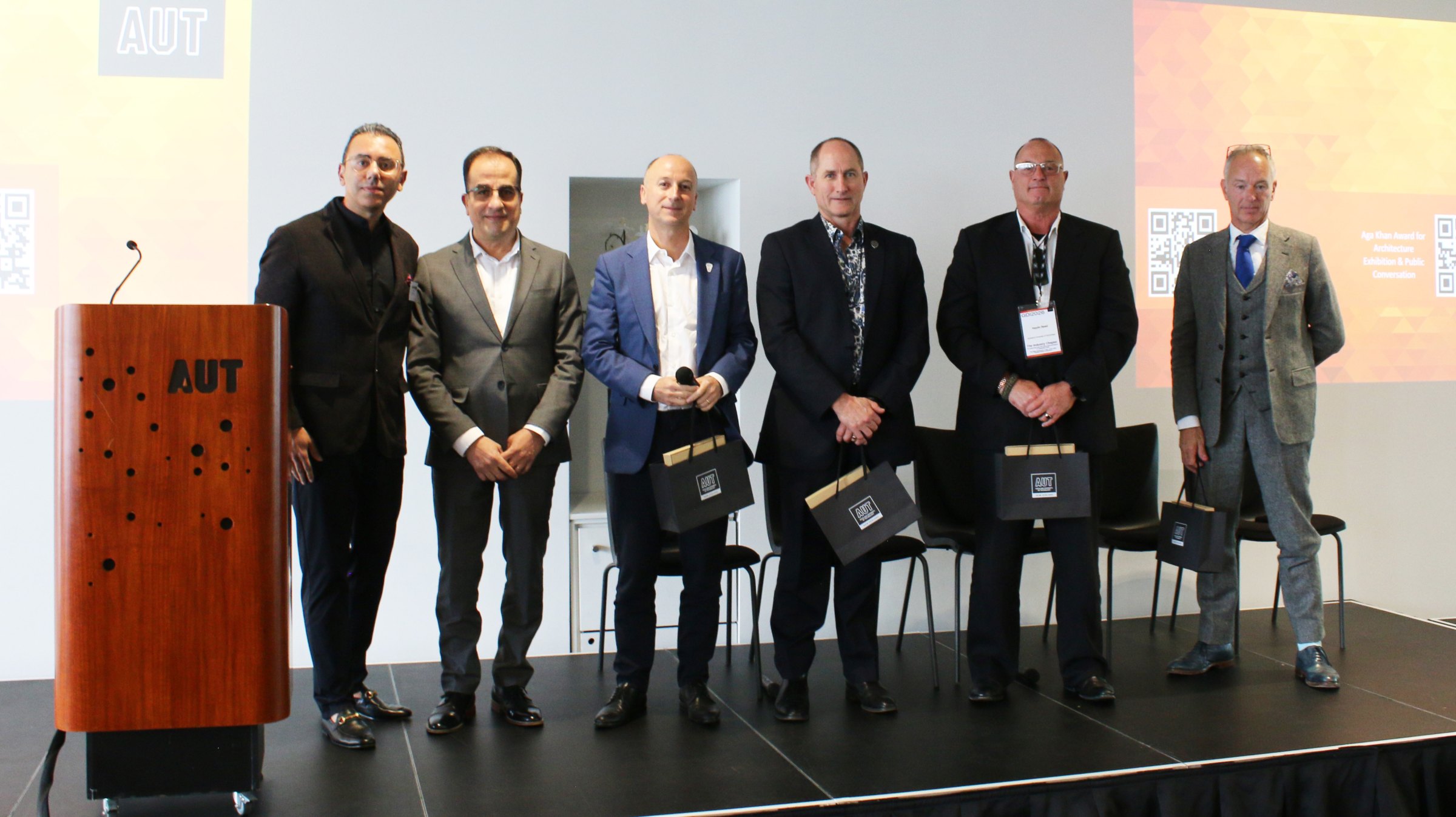 Speakers on stage at the GDI 2026 Industry Chapter, AUT City Campus, 11 September 2026
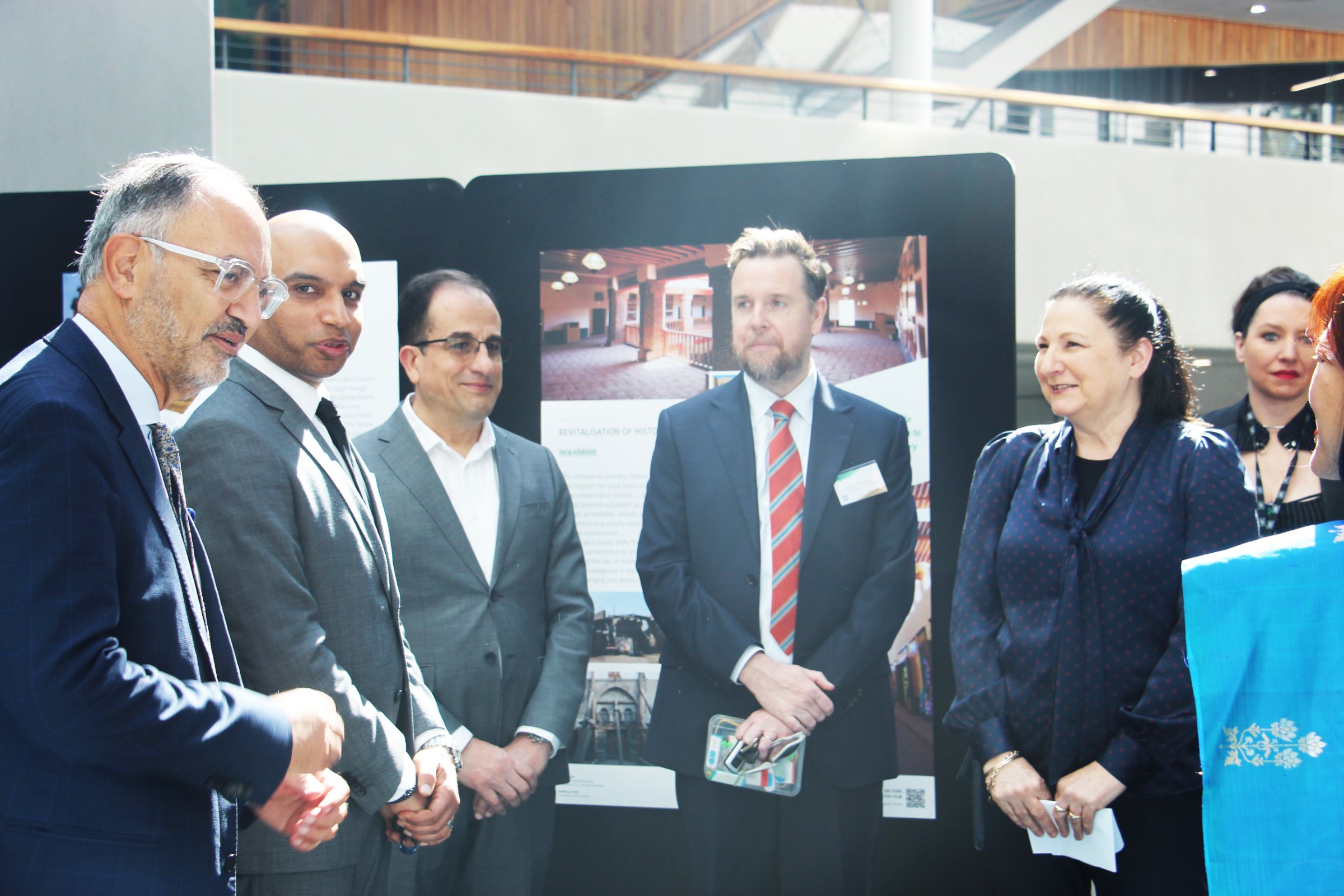 Guests at the Aga Khan Award for Architecture exhibition, hosted by the School of Future Environments at AUT for the first time, September 2026
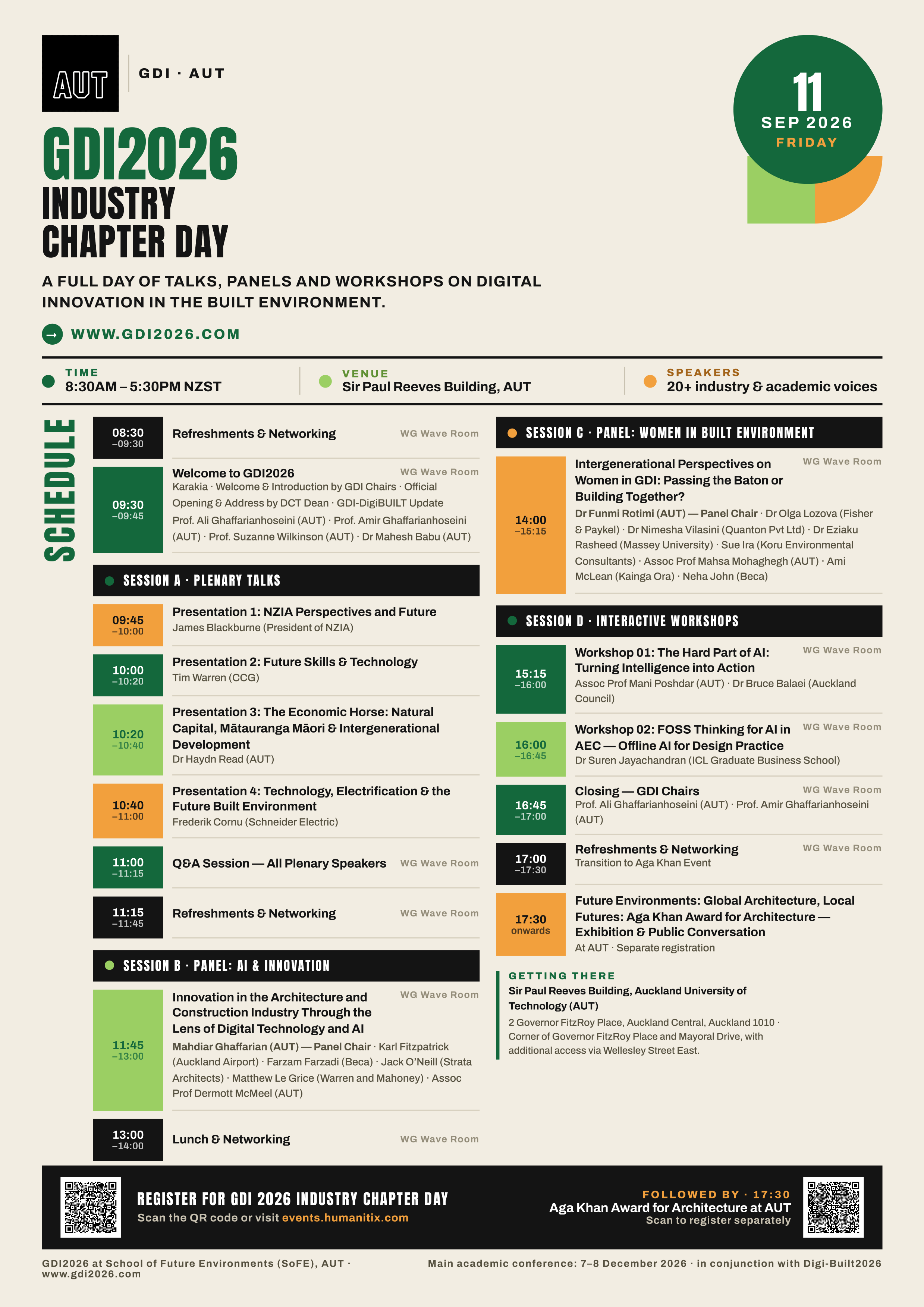 Official agenda
 Event listing