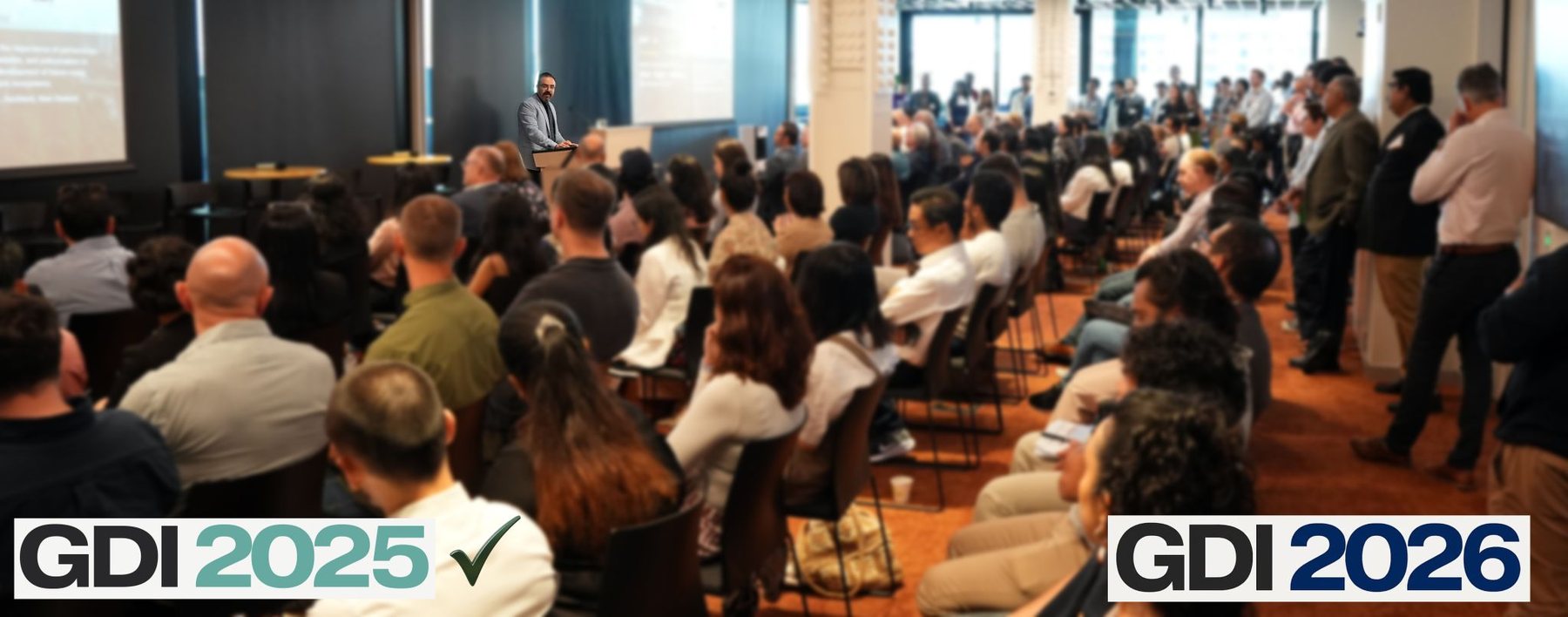
The Inaugural Edition
GDI 2025 ran from 1 to 3 December 2025 across two Auckland venues. The first day was held at Beca House, 124 Halsey Street, in the Wynyard Quarter, where Beca, primary partner and sponsor, hosted the opening session and a panel on “Global Alliances for a Smarter Built Future.” The second and third days moved to AUT City Campus, with plenary keynotes, a Leaders’ Dialogue, the Invisible Cities exhibition, industry presentations, a Women in GDI panel and parallel technical sessions across all tracks, before a gala dinner at which the GDI Awards were presented in sustainability and climate adaptation, digital transformation and intelligent futures. The conference received more than 200 full papers and presented more than 180 across ten thematic tracks, organised around three pillars: green, digital and intelligent built environments.
GDI is no longer a single event. It is becoming a platform. A community. A movement.
His closing reflection, LinkedIn
Founder’s Opening, Chair’s Close
Professor Ghaffarian opened the academic programme on 2 December at AUT City Campus, in the Opening Address that preceded the conference’s Inaugural Address. Prof Ghaffarian shared the platform with Professor Amirhosein Ghaffarianhoseini and with Professor Suzanne Wilkinson of the Faculty of Design and Creative Technologies. The opening carried the founding argument of the series. Green, digital and intelligent agendas in the built environment are usually pursued by separate communities, with separate journals, conferences and funding streams, and the costs of that separation show up in buildings that are efficient but unhealthy, or instrumented but unsustainable. GDI exists to bring the three communities into one room and one set of proceedings.
On 3 December Prof Ghaffarian closed the conference at the gala, drawing the three days together and committing the organisers to a second edition, which followed at AUT within the year. His closing reflection described GDI as no longer a single event but a platform and a community, and recorded the question delegates kept asking at the close: when do we meet again? For a founder, that question is the most persuasive evidence a first edition can produce. A conference that ends when delegates leave produces papers; a platform produces partnerships, follow on work and a recurring place where industry and academia meet as equals. The structure of the opening day reinforced the point. Holding the first session at Beca House, in an engineering consultancy rather than a lecture theatre, and opening with a panel on global alliances, told delegates from the outset that the conference would be judged by what it built with practice.
Governance of a New International Conference
Building a credible international conference from nothing requires a governance structure that gives authors confidence in review and partners confidence in delivery. Prof Ghaffarian, then Head of Department of Built Environment Engineering at AUT, assembled one in a single cycle: four honorary chairs, a conference committee, 17 international stream leaders and a senior advisory board drawn from 16 countries. Ten partner bodies stood alongside Beca, among them the NZIA, CIB, the NZGBC, the Associated Schools of Construction, the Association of Architecture Schools of Australasia, the Academy of Neuroscience for Architecture, the CIBSE Intelligent Buildings Group and the Smart Cities Council.
The keynote programme reflected the same reach. Nine keynotes came from the AUT Vice Chancellor, Beca, the Chief Executives of the NZIA and the NZGBC, the Dean of Design and Creative Technologies, Loughborough University, the University of Reading, Universiti Putra Malaysia and the Academy of Neuroscience for Architecture in the United States. The programme was designed with equal care for the next generation: technical workshops on managing research projects, on human centred change management for digital transformation and AI, and on neuroarchitecture, hybrid intelligence and trust, together with tours of the Motion Capture and Virtual Production Lab and the Structural Testing Lab, the facility whose design and operationalisation Prof Ghaffarian led.
The Scholarship Behind Three Pillars
GDI’s three pillars are a summary of Prof Ghaffarian’s research career. The green pillar rests on the reviews that established his citation record: the environmental benefits of green roofs, cited 1,304 times, and the critical comparison of green building rating systems, cited 966 times. The digital pillar rests on the review of BIM uptake, cited 1,266 times, and on the nD BIM work on post construction energy efficiency. The intelligent pillar rests on What is an intelligent building?, the most read article in the history of Architectural Science Review, with 51,627 views on the publisher’s site, and on his early analysis of the essence of future smart houses.
The neuroarchitecture workshop and the keynote from the Academy of Neuroscience for Architecture extended the intelligent pillar towards human experience, a direction Prof Ghaffarian has pursued in reviews of the built environment’s effect on users’ measured brain activity, in a guest edited special issue of Intelligent Buildings International on neuro architecture, and in an AUT funded study of mental health and AI in New Zealand classrooms worth NZD 100,000. A founder whose own work spans all three pillars can hold a conference of this breadth together; that coherence is the reason GDI reads as a field rather than a miscellany.
From Conference to Platform
The research presented at GDI 2025 is captured in a five volume, Scopus indexed proceedings series with Springer Nature, with contributions from more than 50 countries, a publishing model Prof Ghaffarian first established for SASBE 2024. The partnership with Beca gave the series an industry anchor of national standing, and the conference generated substantial external income for AUT, alongside IGLC32 and SASBE 2024. The Lean Construction Student Association, which Prof Ghaffarian had helped to form earlier in 2025, joined as a partner, giving students a role in the conference rather than a seat in its audience.
GDI is also the direct successor of the NZAAR international event series that Prof Ghaffarian founded with Professor Amirhosein Ghaffarianhoseini in June 2016, whose themes were reorganised into GDI’s three strands as the ambition grew. The trajectory since the closing address confirms the founder’s judgement: a second edition in 2026, with an Industry Chapter at AUT and an online academic conference with DigiBUILT 2026, and a third edition in Kuala Lumpur in 2027 with CIOB Malaysia. A conference founded at AUT is now carried beyond New Zealand under the leadership of its founders. The move to Malaysia also closes a personal circle: Prof Ghaffarian completed his MSc and PhD at Universiti Putra Malaysia and taught in Kuala Lumpur before joining AUT in 2014, and his conference work now spans 33 countries on six continents.
Gallery, recordings and documents
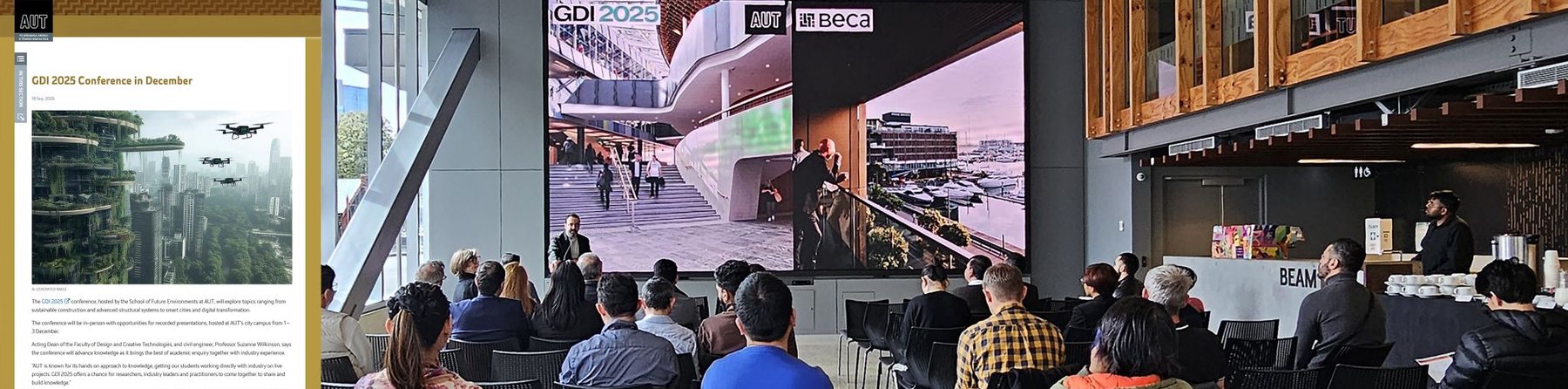 Day two of GDI 2025, AUT City CampusFinal programme
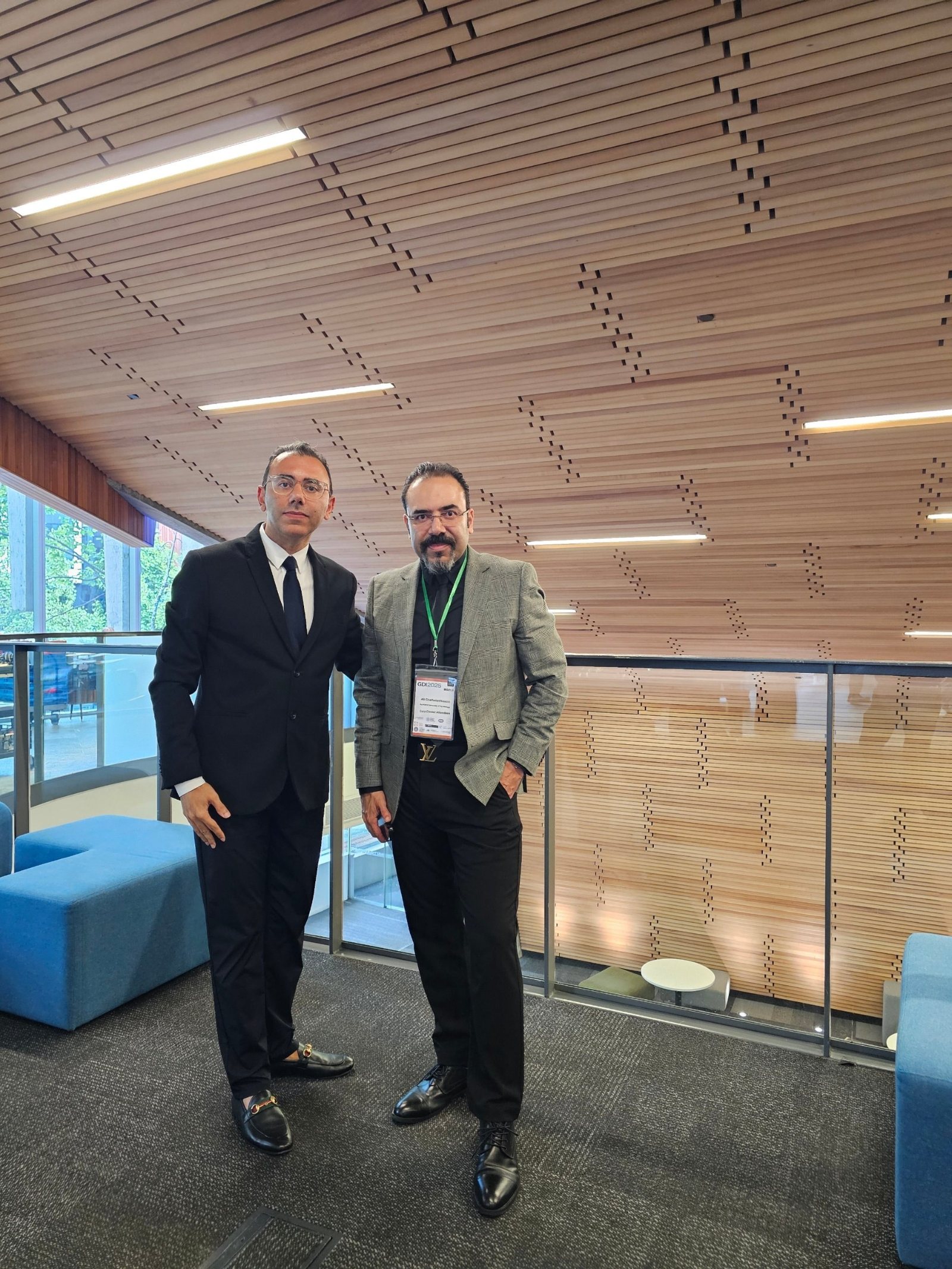 GDI2025 co-chairs, Professor Ghaffarian and Professor Amirhosein Ghaffarianhoseini, at AUT (photo: AG++ studio, Professor Amirhosein Ghaffarianhoseini)
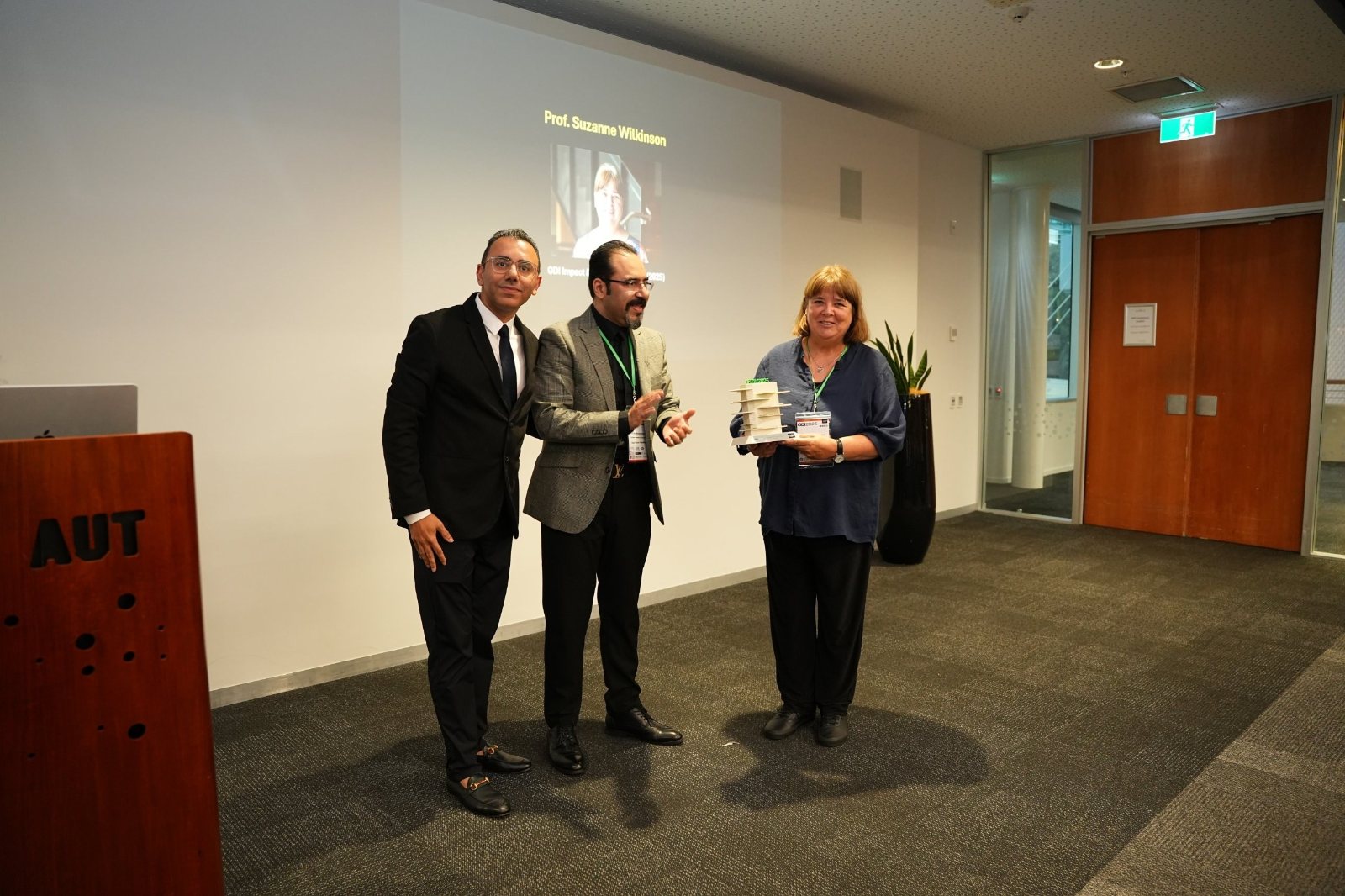 The co-chairs present a GDI2025 award to Professor Suzanne Wilkinson (photo: AG++ studio, Professor Amirhosein Ghaffarianhoseini)
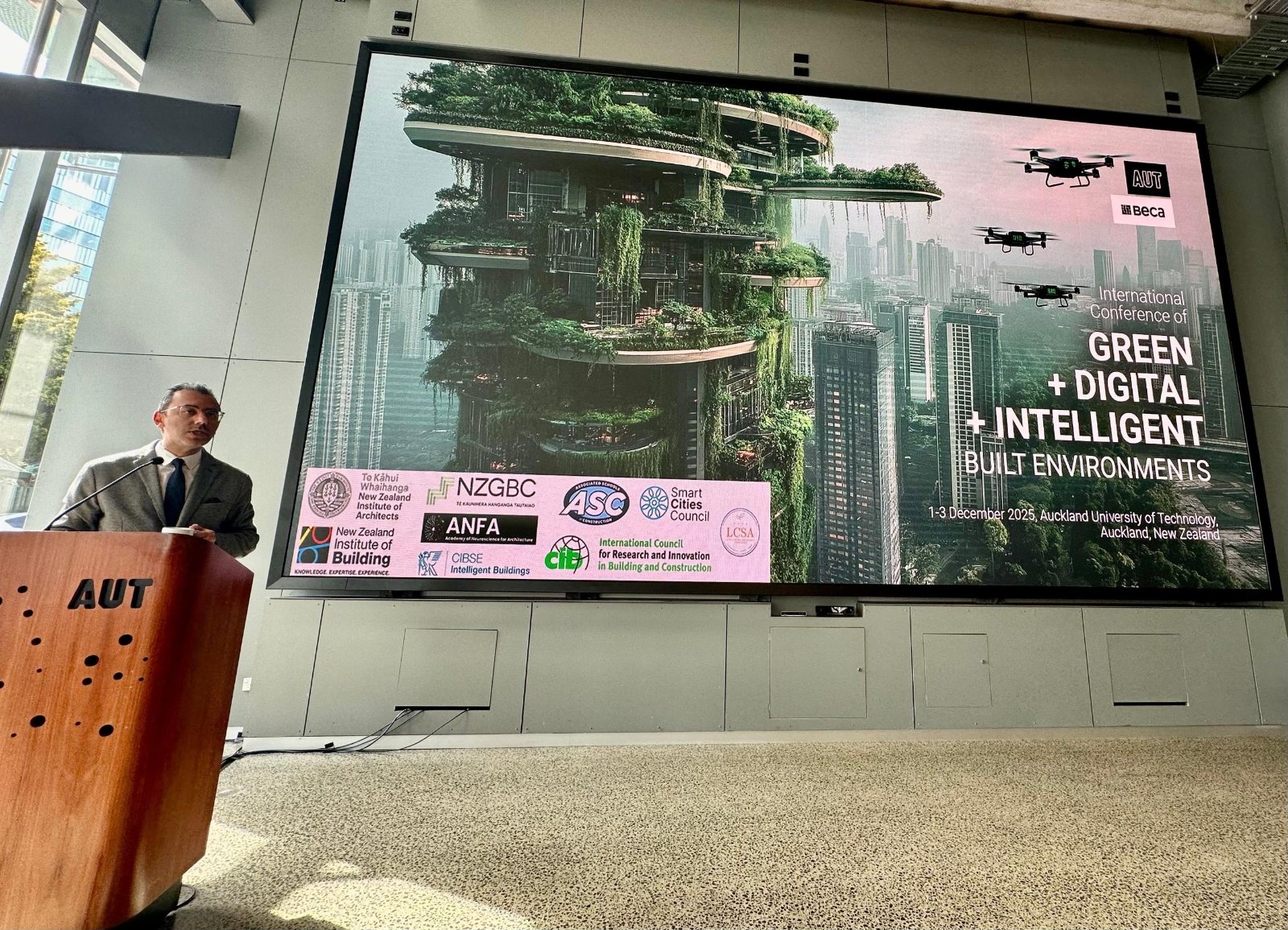 Opening GDI2025 at AUT, supported by NZIA, NZGBC, ANFA, NZIOB, CIBSE Intelligent Buildings, CIB, the Associated Schools of Construction and the Smart Cities Council (photo: AG++ studio, Professor Amirhosein Ghaffarianhoseini)
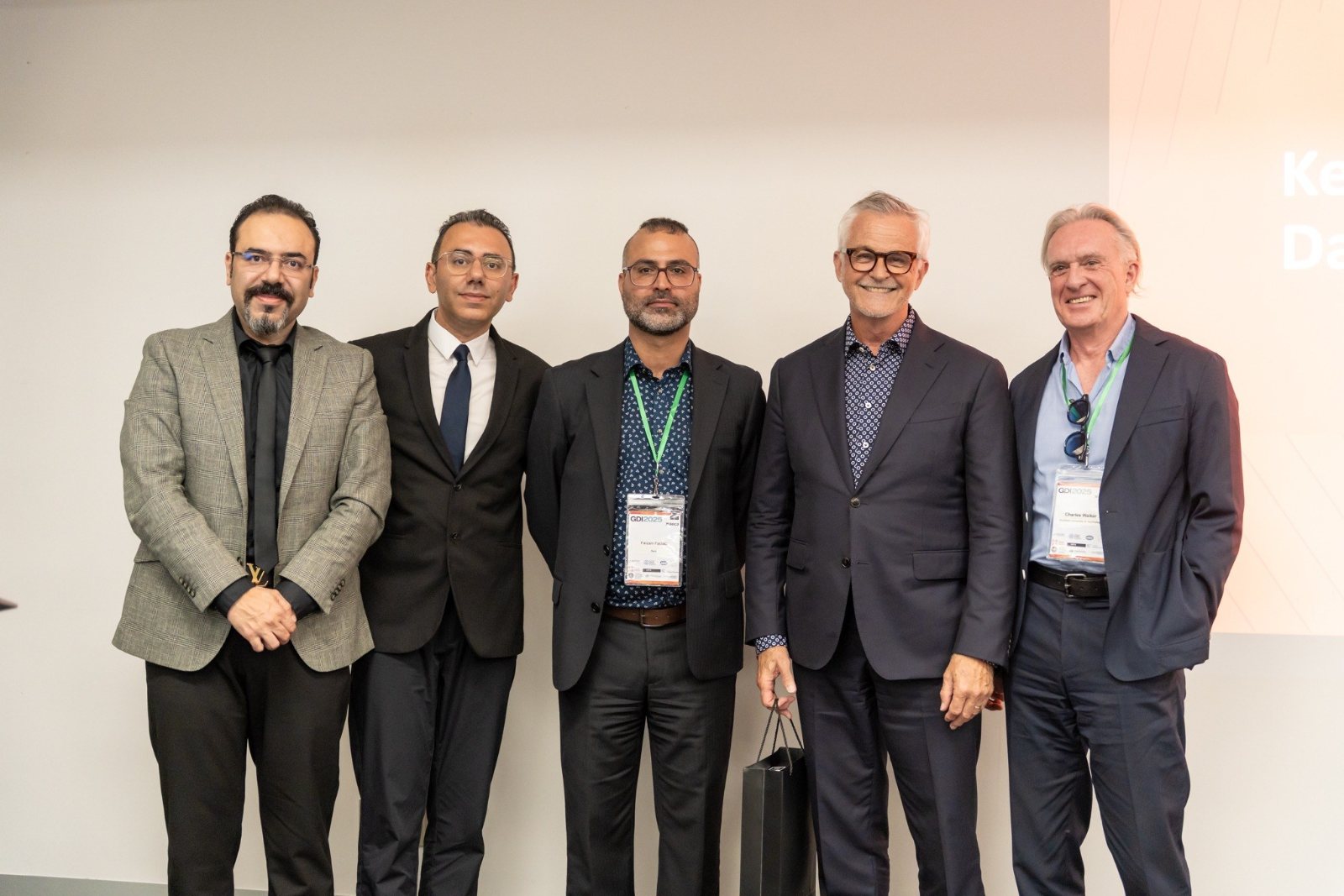 With GDI2025 keynote speakers and Professor Charles Walker (photo: AG++ studio, Professor Amirhosein Ghaffarianhoseini)
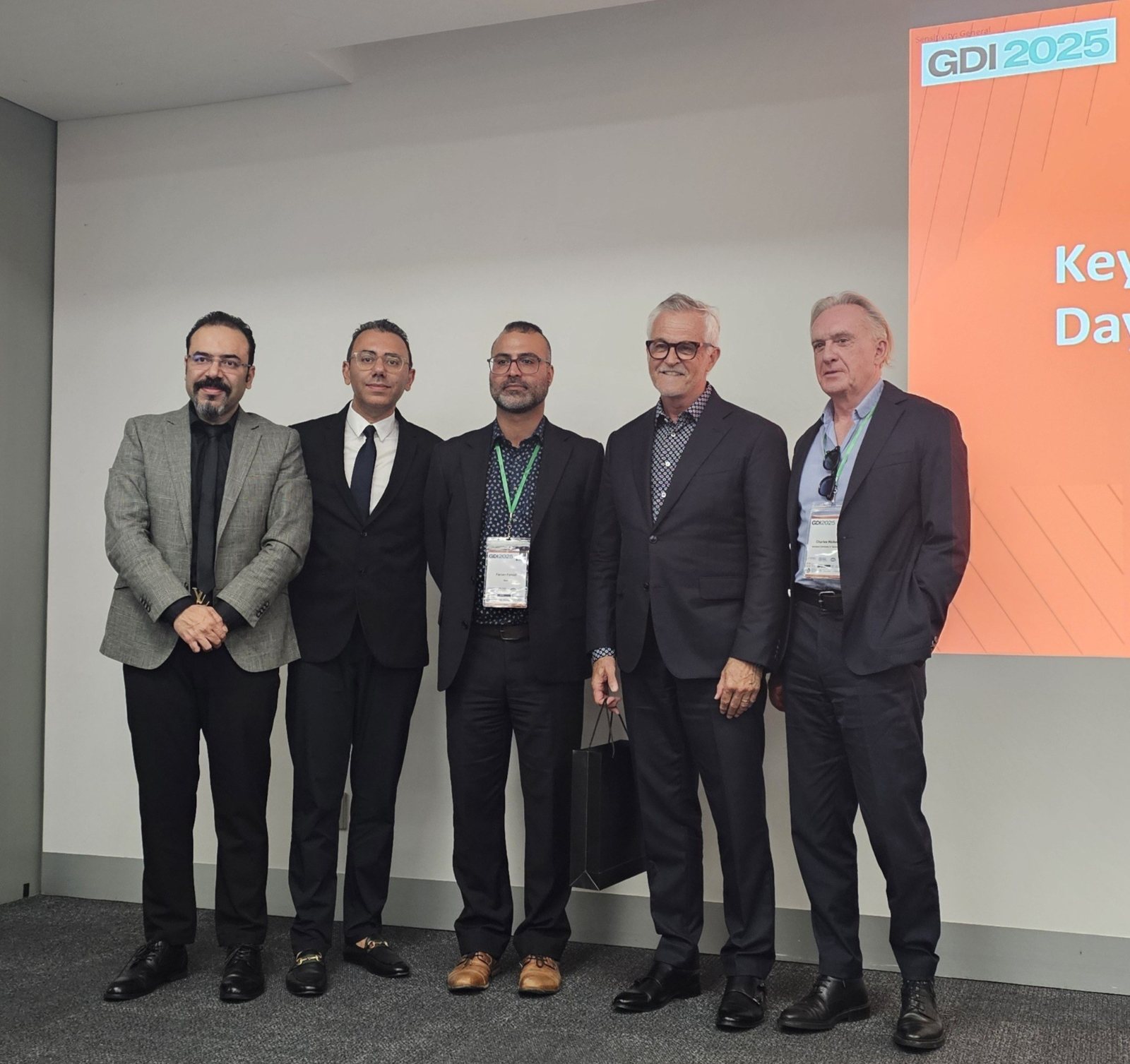 Keynote day at GDI2025 (photo: AG++ studio, Professor Amirhosein Ghaffarianhoseini)
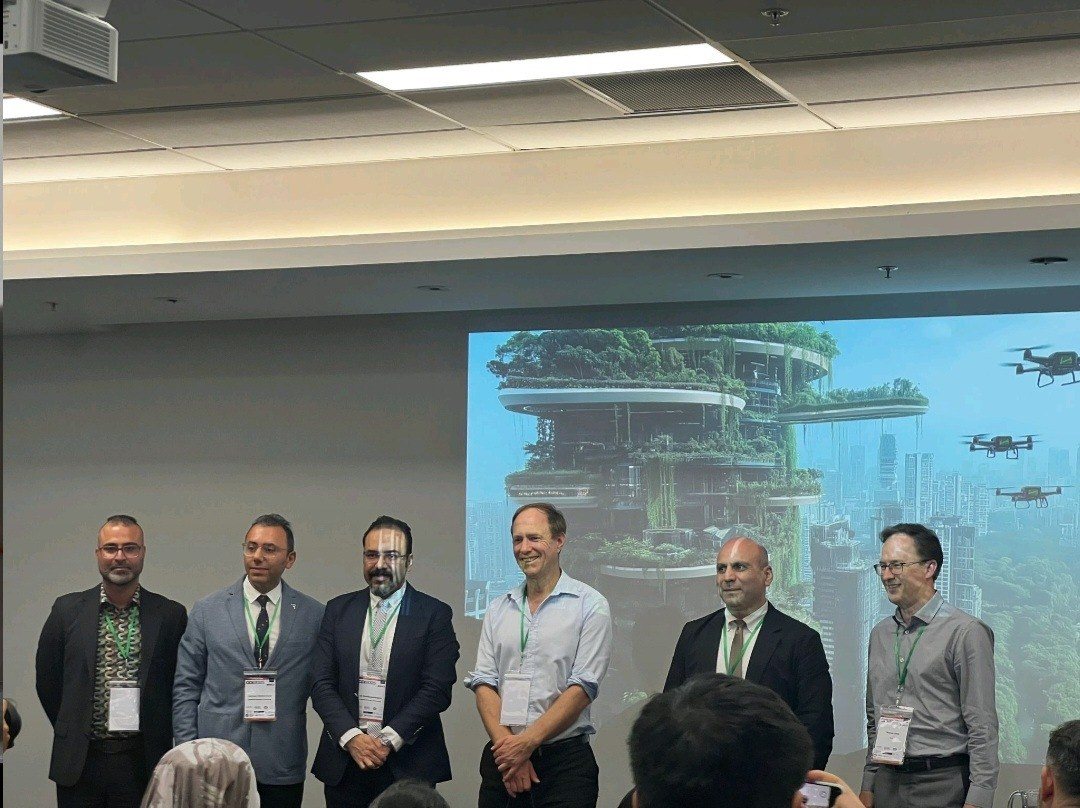 On stage with fellow speakers at GDI2025 (photo: AG++ studio, Professor Amirhosein Ghaffarianhoseini)
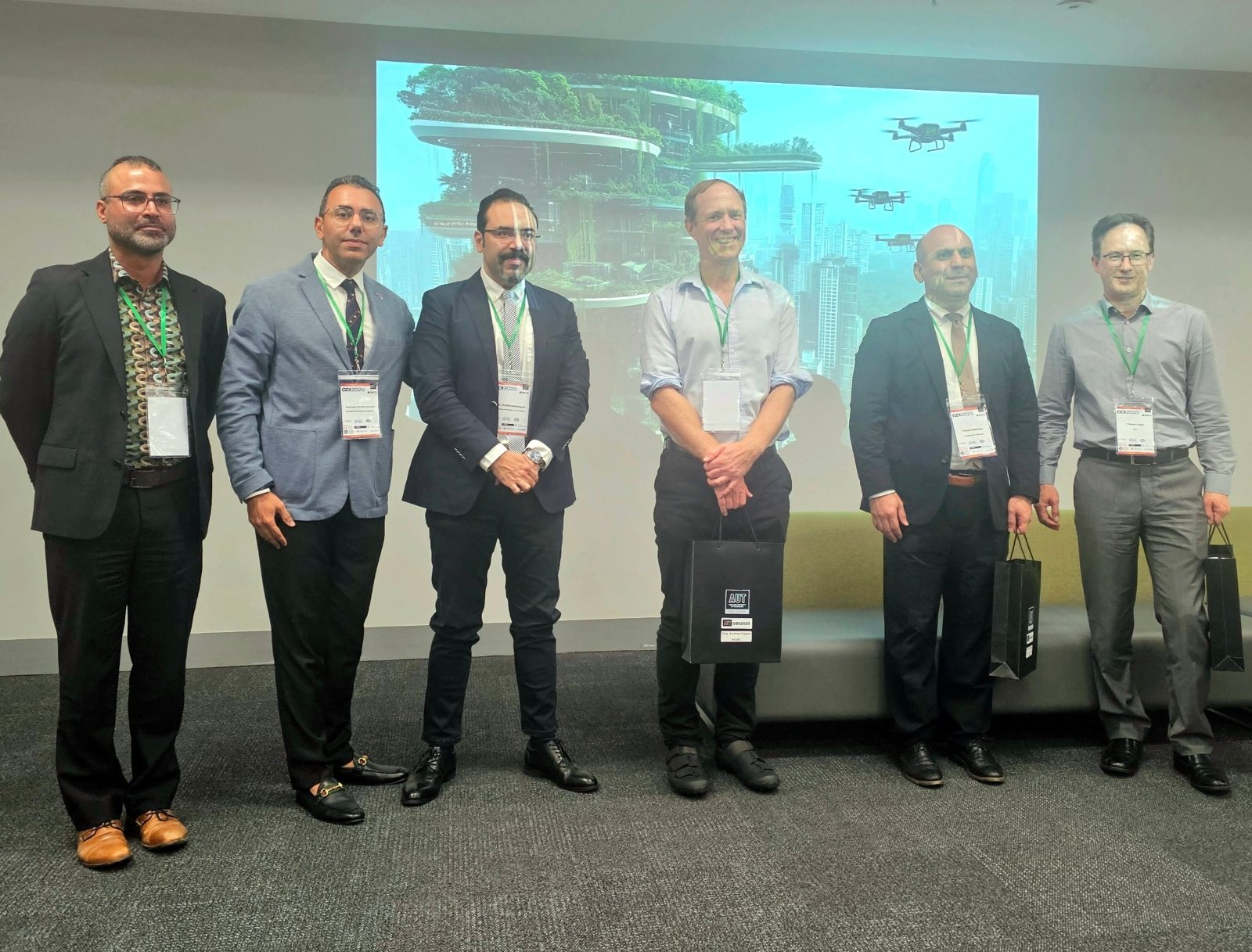 With GDI2025 speakers, including the New Zealand Green Building Council (photo: AG++ studio, Professor Amirhosein Ghaffarianhoseini)
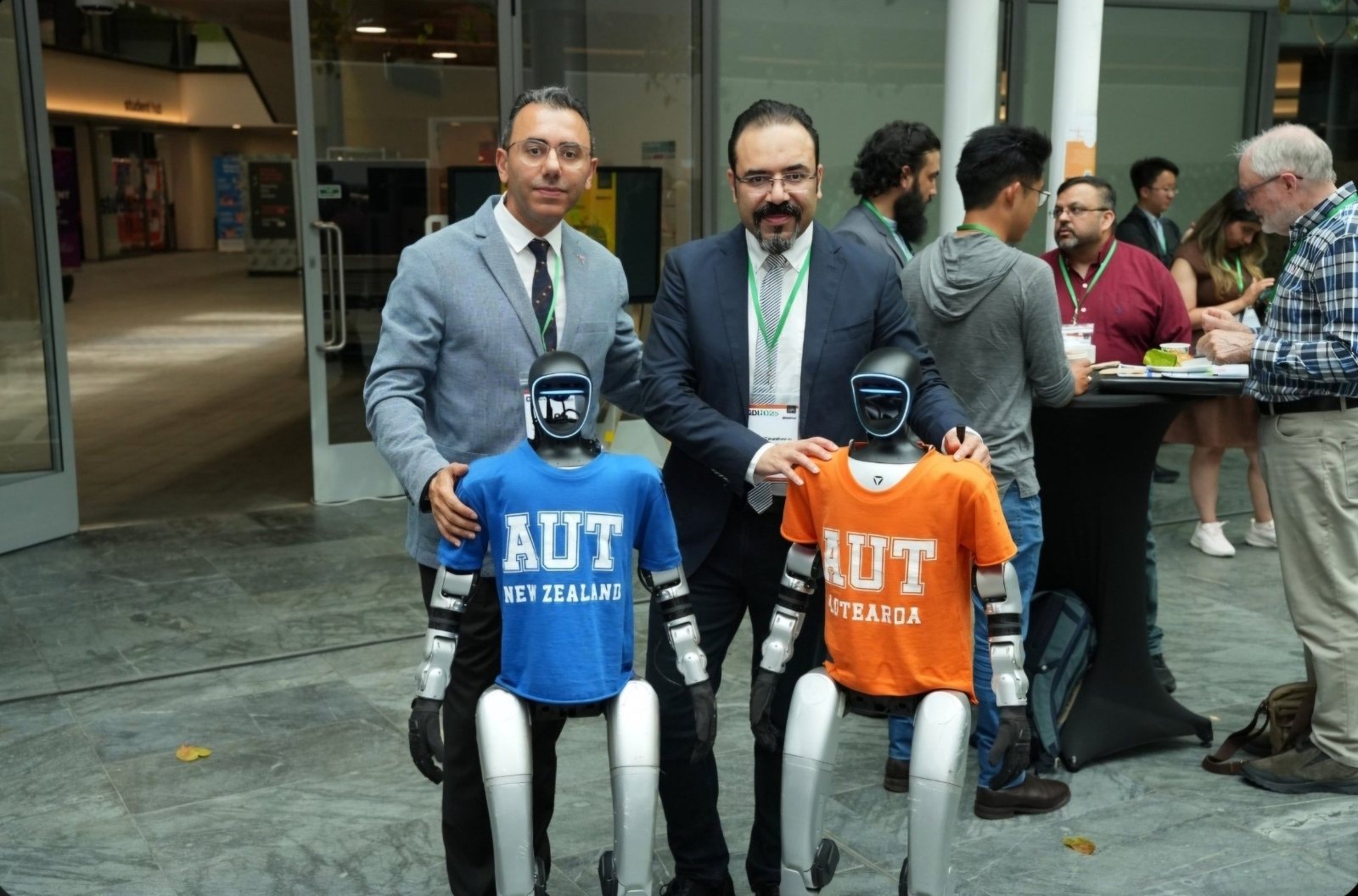 Humanoid robots in AUT shirts join the GDI2025 co-chairs (photo: AG++ studio, Professor Amirhosein Ghaffarianhoseini)