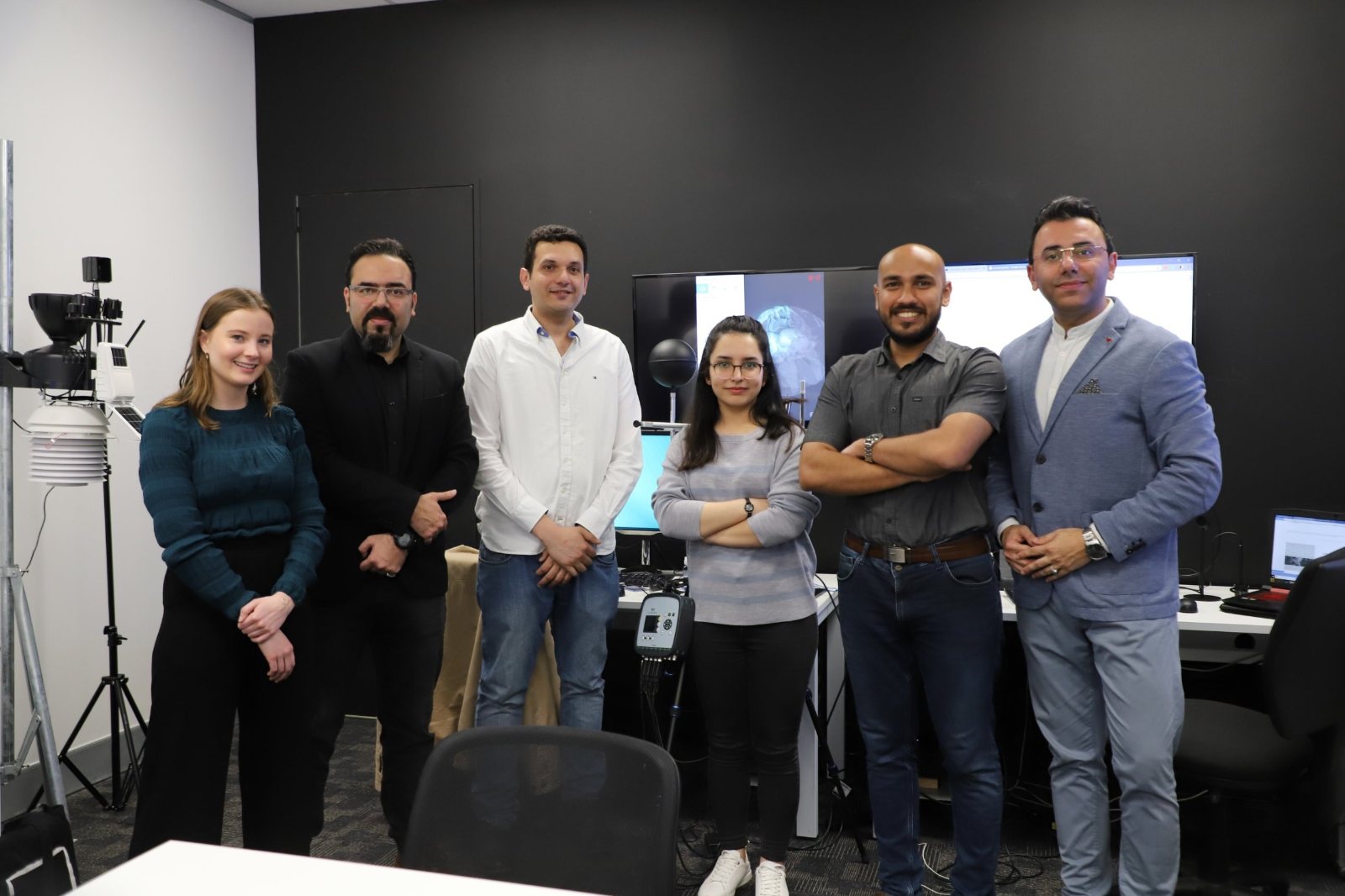
A Laboratory for the City
In July 2019 AUT News reported the launch of the Architectural Engineering Lab, founded in 2018 by Professor Ghaffarian, then Programme Director of the Bachelor of Engineering (Honours) in Architectural Engineering, and Professor Amirhosein Ghaffarianhoseini, then Head of Postgraduate Studies in Architectural Engineering. The lab set out to apply architectural and design thinking to global challenges, using Auckland as its testing ground, and to bring digital technologies and user centred design together in intelligent, sustainable and healthy buildings that contribute to smarter cities. It was conceived as both a teaching and a research laboratory for the major, and that dual purpose defined its value to AUT.
Research Built Into the Degree
Prof Ghaffarian’s emphasis at the launch was the link between research and teaching. The theories and practices the lab developed, he argued, should be incorporated into academic curricula, so that students graduate with the tools industry will need. The commitment carried institutional weight. Prof Ghaffarian had directed the Architectural Engineering major through its first accreditation with Engineering New Zealand in 2018, recognised internationally under the Washington Accord, and served as Industry Engagement Coordinator for the Architectural and Construction Engineering majors. A laboratory attached to a newly accredited degree let students see research in progress, take part in projects and carry its methods into their final year studios, bringing research into teaching rather than keeping the two apart.
The lab’s place within the programme also served industry engagement. As coordinator, Prof Ghaffarian oversaw the industrial projects and the Engineering New Zealand work placement for both majors, so that questions raised in the lab could be tested against the problems students met in practice, and problems from practice could return to the lab as research.
Built Futures and the Green Building Agenda
On 3 October 2019, as part of World Green Building Week and in collaboration with the New Zealand Green Building Council, the lab presented Built Futures, a pecha kucha evening held with Associate Professor Nicola Naismith, then Head of Built Environment Engineering, and reported by AUT News. Seven doctoral and master’s students presented research on BIM, sustainable design, housing affordability, neuroarchitecture, acoustic comfort, governance of driverless technology and passive design in warm climates. AUT described the event as evidence of the university’s future focused vision for optimising the sustainable performance of urban environments, with Auckland as a living lab. In the same year Prof Ghaffarian became a Green Star Accredited Professional with the Council.
The partnership with the Council continued. In 2021 the School hosted the awards evening of the NZGBC Future Thinker of the Year programme, recorded in a related entry, and in 2022 one of Prof Ghaffarian’s doctoral candidates was shortlisted for the Future Thinker Award. A student pecha kucha in 2019 thus became the start of a relationship with the organisation behind Green Star in New Zealand, placing AUT researchers before the national green building community.
What the Laboratory Produced
The breadth of Built Futures was a map of the research Prof Ghaffarian was supervising, and its lines matured into published scholarship. Sameh Azzazy, who presented that evening, completed a doctorate in 2023 and coauthored the 2021 review of the built environment’s impact on users’ measured brain activity. Attiq Ur Rehman, also a presenter, completed his doctorate on driverless technology in 2022 under Prof Ghaffarian’s primary supervision and led the trust based autonomous driving framework for New Zealand. The lines on acoustic comfort and passive design in warm climates correspond to doctorates Prof Ghaffarian supervised as primary supervisor, on intelligent classroom acoustics (2022), shortlisted for the NZGBC Future Thinker Award, and on the Passive House framework in cooling dominated climates (2023).
The BIM line was equally productive. Dat Tien Doan, whose doctorate on enhancing Green Star certification through BIM uptake was completed in 2019 under Prof Ghaffarian’s primary supervision, was lead author of the critical comparison of green building rating systems in Building and Environment, now cited 966 times. Marcela Brauner’s 2020 doctorate incorporated hygrothermal modelling into BIM based sustainability assessment, and the doctorates of Tongrui Zhang and Anthony Okakpu, both completed in 2019, examined BIM for building management and for the refurbishment of complex Auckland buildings. Two of these candidates held Vice Chancellor’s Doctoral Scholarships, a measure of the confidence AUT placed in the research environment the lab represented.
The record that grew from this period is substantial. Prof Ghaffarian has supervised 21 completed doctoral theses, and the lab’s early years coincided with Faculty recognition: the DCT Research Excellence Award in 2019 and, in 2020, the Faculty’s Outstanding Doctoral Award and DCT Champion award, alongside a Best Paper Award at the 20th International Conference on Construction Applications of Virtual Reality. The laboratory had become an engine for research students as much as a facility, and its graduates now publish in their own right.
Institution Building as Leadership
The lab was an early act of institution building, and it anticipated the structure AUT would adopt. Its research lines, from neuroarchitecture and comfort to BIM and autonomous vehicles, crossed the boundary between architecture and engineering, a year before the School of Future Environments was formed with those disciplines side by side. The pattern continued in Prof Ghaffarian’s later leadership: as Head of Built Environment Engineering from 2020 he led the design, development and operationalisation of AUT’s Structural Testing Laboratory, and in 2025 AUT funding was secured under that leadership to establish a Neuroarchitecture Virtual Reality Lab. Since January 2026 Prof Ghaffarian has led the School itself as Head of School.
The lab also built on a model Prof Ghaffarian had already proven. In 2014, the year of joining AUT, he cofounded the RG UBE Lab with Professor Amirhosein Ghaffarianhoseini, an interdisciplinary research consortium based in New Zealand, Canada and Malaysia working towards healthier, smarter and environmentally responsive cities. The Architectural Engineering Lab brought that international research culture inside a single degree programme, giving undergraduates direct contact with the kind of doctoral and international work RG UBE had been producing for five years.
The significance of the 2019 coverage is therefore cumulative. It records the moment at which a programme director created a shared research space, tied it to an accredited degree, partnered with the national green building body and gave research students a public platform. Those decisions produced doctoral graduates, international publications and new facilities, and they set a pattern of building capability first and seeking recognition after. Related entries trace the lab’s neuroarchitecture research and Prof Ghaffarian’s later appointment as Head of School.
Gallery, recordings and documents
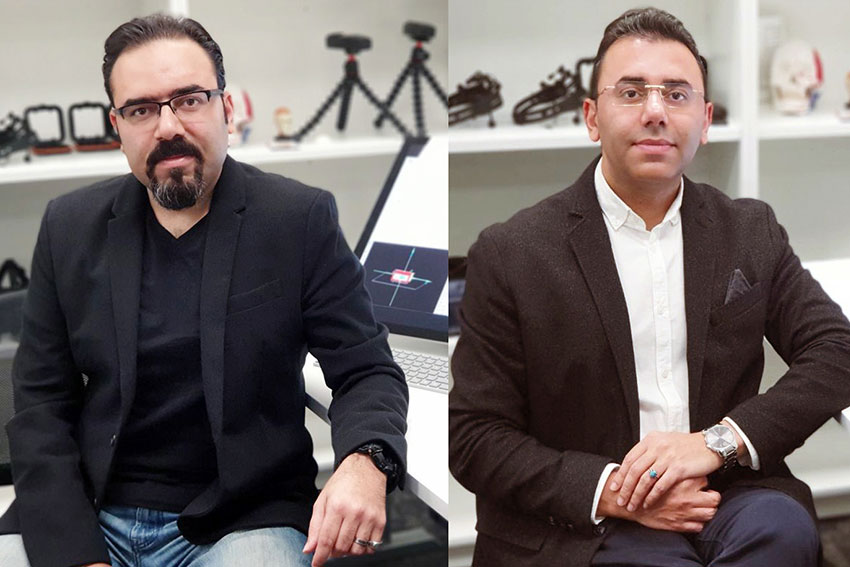 Lab launch, AUT News
 Built Futures, World Green Building Week
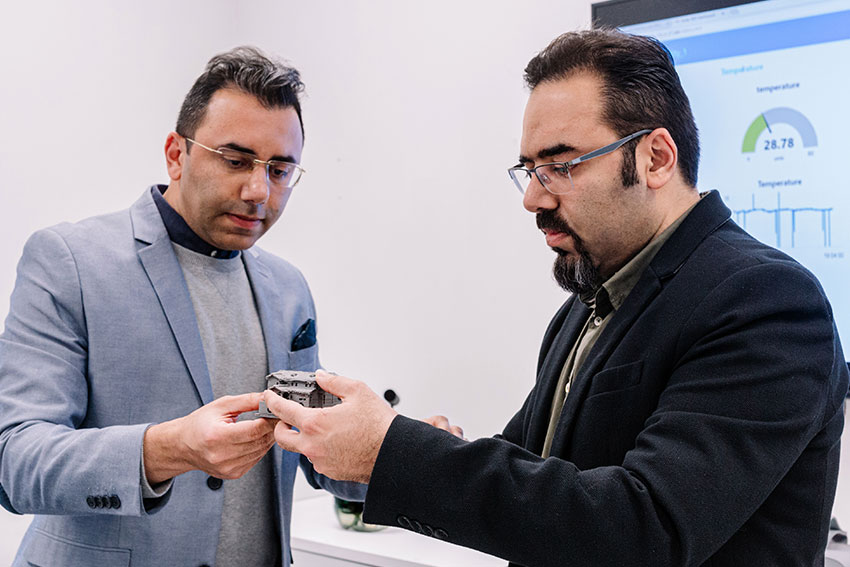
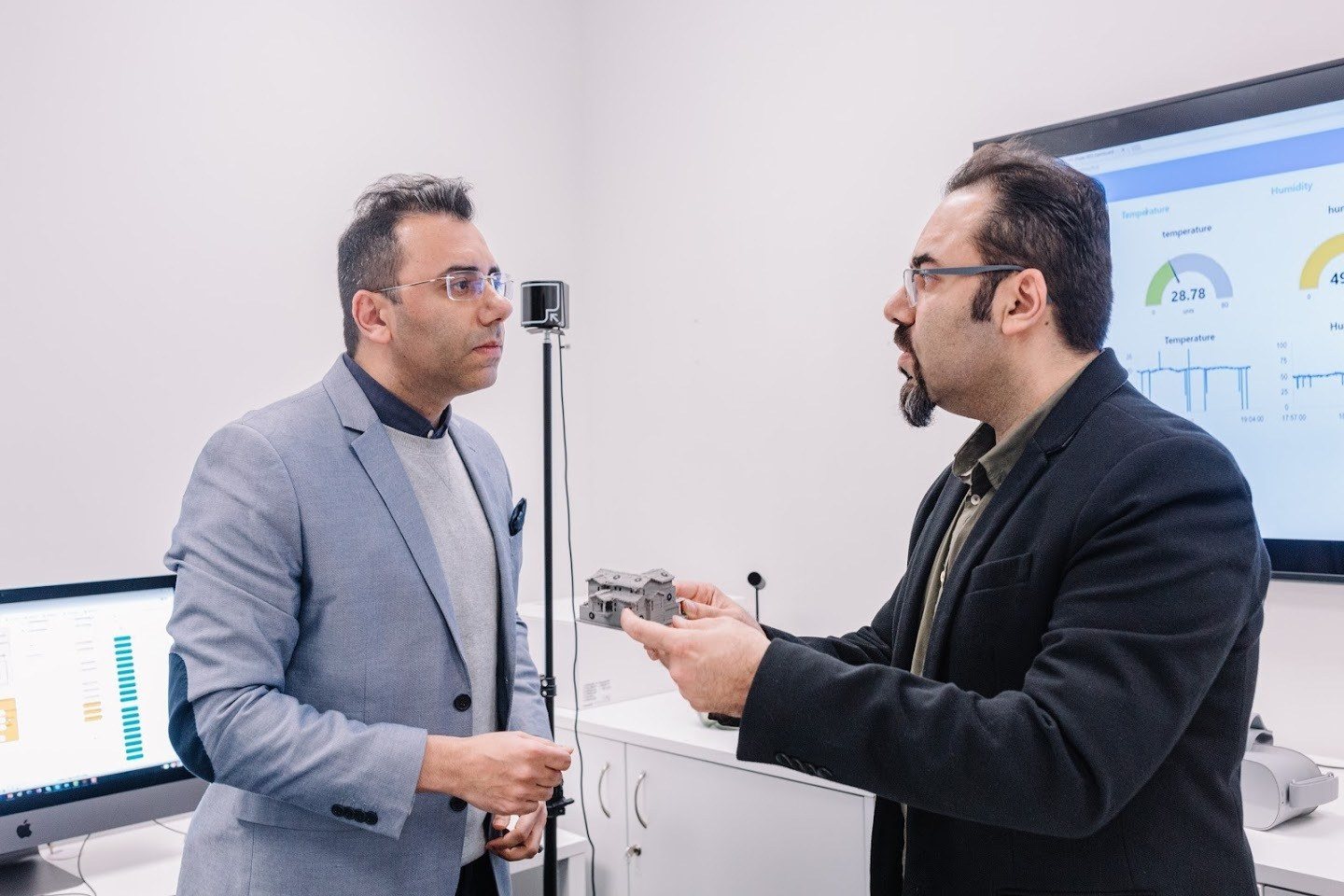 3D printing, VR and environmental sensing in the Architectural Engineering Lab (photo: AG++ studio, Professor Amirhosein Ghaffarianhoseini)
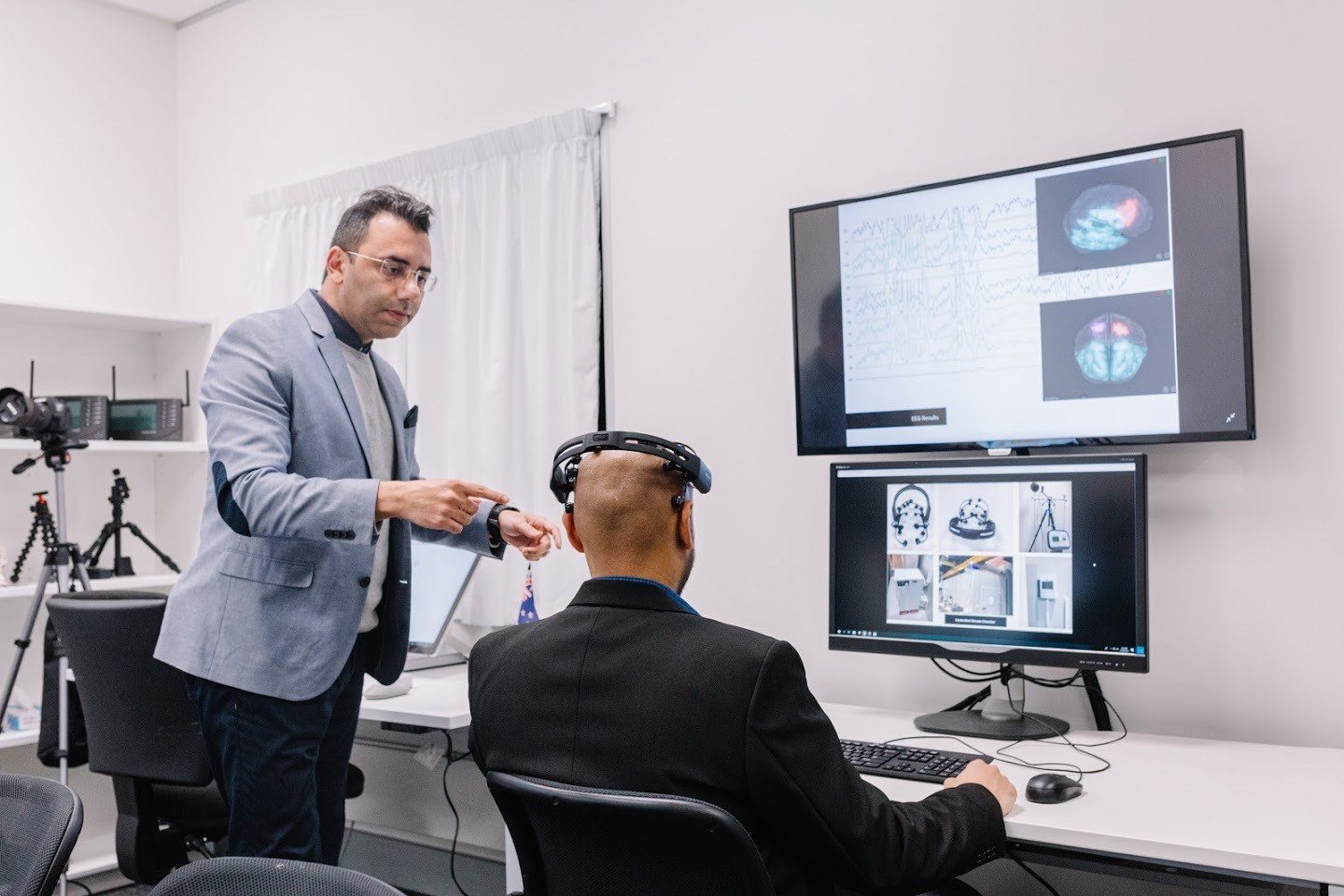 An EEG study in the Architectural Engineering Lab, measuring how the brain responds to built environments (photo: AG++ studio, Professor Amirhosein Ghaffarianhoseini)
 World Green Building Week 2019: AUT Built Environment Engineering with the New Zealand Green Building Council (photo: AG++ studio, Professor Amirhosein Ghaffarianhoseini)